Off-road camping enthusiasts are facing a mix of challenges and innovations as they navigate the rugged terrains and unpredictable conditions of outdoor adventures. Recent incidents highlight the risks involved, while creative solutions are emerging to enhance the camping experience.
Key Takeaways
- Off-road recovery can lead to unexpected damage.
- Innovations in off-grid camping setups are gaining popularity.
- Safety and environmental considerations are crucial for campers.
The Risks of Off-Road Recovery
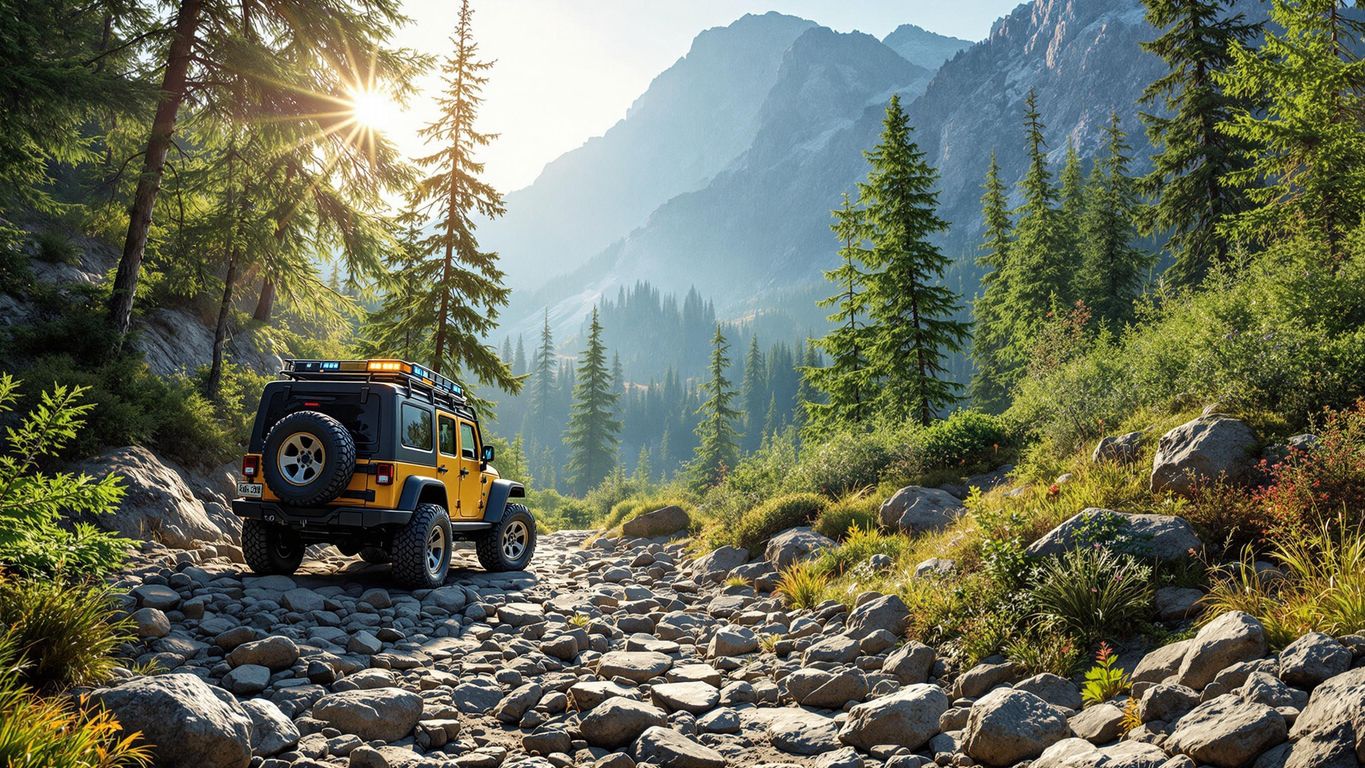
Off-roading is an exhilarating experience, but it comes with its own set of challenges. A recent incident involving a Jeep owner at Lake of the Ozarks Off-Road Park illustrates the potential pitfalls of off-road recovery. After a mechanical failure left the vehicle stranded, the recovery process resulted in significant damage, sparking a heated debate between the owner and the park staff.
Rob Smith, the owner, reported that his Jeep Cherokee was mishandled during the recovery, leading to a crushed roof and missing rear wheel. The park staff, however, claimed that the recovery was conducted as per the owner’s instructions, raising questions about communication and responsibility in such situations.
Innovations in Off-Grid Camping
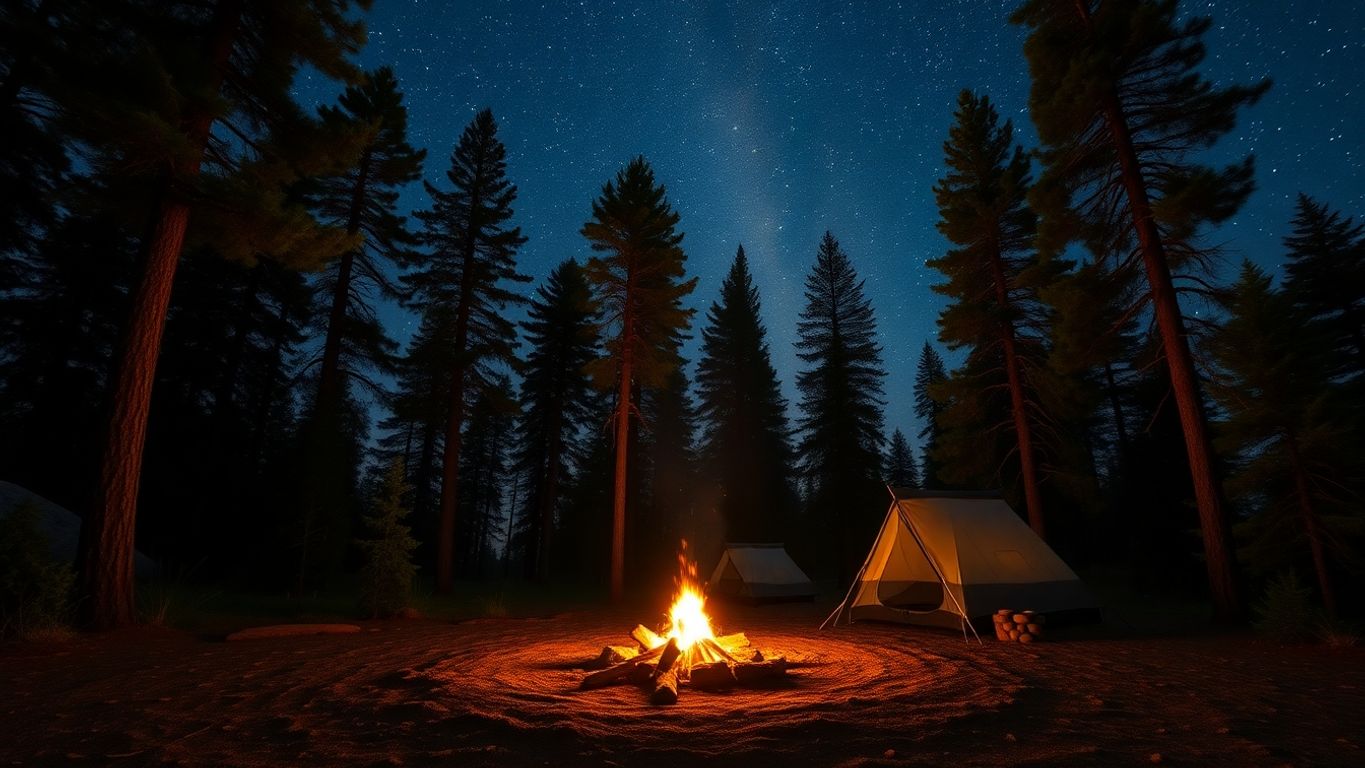
On a more positive note, off-grid camping is witnessing a surge in innovative setups that allow campers to enjoy nature without sacrificing comfort. A recent post on social media showcased a resourceful camper’s impressive living arrangement in Pennsylvania, featuring solar-powered lighting, a compost toilet, and a cozy fire area.
- Key Features of the Setup:
- Solar energy for lighting and charging devices.
- A raised platform made from logs and pallets for the tent.
- A charcoal stove for cooking and heating.
This setup not only highlights the creativity of modern campers but also emphasizes the growing trend of self-sufficiency in outdoor living.
Safety and Environmental Considerations
While the allure of off-road camping is undeniable, safety and environmental responsibility must remain a priority. Campers are encouraged to:
- Check Legalities: Ensure that the chosen camping spot is legal and safe.
- Practice Fire Safety: Obtain necessary permits and be cautious with campfires to prevent wildfires.
- Respect Wildlife: Be aware of local wildlife and avoid feeding or approaching animals.
- Leave No Trace: Clean up after yourself and leave the area better than you found it.
Conclusion
The world of off-road camping is a blend of excitement and responsibility. As enthusiasts continue to push the boundaries of adventure, incidents like the Jeep recovery serve as reminders of the risks involved. Meanwhile, innovations in off-grid living offer new ways to enjoy the great outdoors while promoting sustainability and self-sufficiency. By prioritizing safety and environmental stewardship, campers can ensure that their adventures are both thrilling and responsible.